Overview: Why Fiber and Weave Matter on the Beach
A beach towel is not merely a functional object; it is a promise of comfort in a space where sun, sea, and sand conspire to strip away restraint. The fiber at the heart of a towel—whether cotton, linen, or blends—dictates how quickly moisture wicks away, how plush the hand feels after a dunk, and how the fabric endures the cycle of sun and wash. We examine three representative fabrics you’ll encounter on the sand and in the closet: cotton terrycloth, velour, and blends that balance quick-dry performance with a soft touch.
Cotton terrycloth has long been the standard for beach towels. The looped pile traps air, which enhances absorbency, while the dense weave provides a cushion between you and the sun-warmed ground. Velour towels—often a plush, short-nap surface on the front with a looped back—offer a luxuriously soft exterior that invites a lingering soak in the sun, while the reverse side remains practical for drying. Blended fibers—combining cotton with modal, acrylic, or other fibers—seek to optimize absorbency with faster drying times, while maintaining a plush feel.
GSM, or grams per square meter, measures weight and heft. Higher GSM towels feel heftier and more luxurious; lower GSM towels dry rapidly and travel lighter. The weave pattern—whether jacquard, basketweave, or a simple terrycloth loop—modulates texture, appearance, and how water migrates from skin to fabric. For travelers and beachgoers, understanding GSM and weave translates into towels that stay soft after multiple wash cycles and resist mildew when damp in humid coastal climates.
Brand-Focused Notes: Coyuchi, Sferra, and the Craft of Longevity
Coyuchi’s organic cotton towels are celebrated for purity and environmental mindfulness. Their fabrics carry GOTS certification, ensuring organic content and responsible processing from fiber to finish. Coyuchi towels emphasize breathable textures and colorfast dyes that stay vibrant after repeated washing, a feature especially valuable for seaside living where sun can be unforgiving on color saturation.
Sferra’s textiles represent a premium tier where plushness meets engineering. A towel from Sferra may favor denser weaves and refined finishes that feel substantial against the skin, offering a touch of luxury that persists through extended sun exposure and frequent laundering. While they are often priced at a higher tier, the investment translates into durability and a sense of ceremony in beach outings.
When comparing brands, look beyond the surface—consider fiber origin, weave structure, dye stability, and care recommendations. The goal is a towel that dries quickly, remains soft, resists pilling, and withstands the salt and sun of countless beach seasons.
Buying Tips and Quick-Care Steps: How to Choose and Maintain
- Match weight to use. For frequent beach days, a mid-to-high GSM (450–600) offers plush coverage and durability, while lighter towels (350–420 GSM) dry faster and pack easily for quick trips.
- Consider the blend. All-cotton towels are soft and absorbent but may take longer to dry. Blends with modal or synthetic fibers can improve drying time and wrinkle resistance without sacrificing softness.
- Color and dye stability. Coastal environments can fade color quickly. Choose towels with colorfast dyes and expect some fading with repeated sun exposure—this is normal and can be managed by washing with similar colors and avoiding chlorine-rich pools when possible.
- Care with sea salt in mind. Rinse towels after beach use to remove salt and sand, then wash on a cool or warm cycle with a mild detergent. Avoid fabric softeners that can lessen absorbency over time.
- Storage strategy. Dry towels completely before folding and store in a dry, ventilated space to prevent mildew and odor buildup.
Material Comparison: Cotton Terrycloth, Velour, and Blends
Cotton terrycloth remains the standard-bearer for everyday beach days. Its looped construction creates an airy texture that soaks up moisture efficiently. The more loops, the more absorbent the towel; however, more loops can also mean longer drying times in heavy fabrics. The terry weave’s ability to absorb and then release moisture is what gives cotton towels their signature comfort and convenience.
Velour towels, often marketed as luxury options, present a plush nap on one side and a softer sensation against the skin. The velour side feels like a plush robe, which can be delightful after a dip. Yet the plush surface can be slower to dry, particularly in high humidity, unless the towel is well-constructed and properly cared for.
Blended towels—such as cotton with modal, bamboo, or microfibers—tend to balance absorbency with quick-drying behavior. Modally enhanced blends can deliver a smoother hand feel and reduced tendency to pill, while still offering the comfort of cotton. For a coastal setting that endures salt and sun, blends can offer a compelling compromise between luxury and practicality.
Time-Traveling Textiles: Three Key Figures Across Eras
1) The 19th-Century Artisan: Eliza Fairchild (1800s)
Eliza Fairchild, a hypothetical emblem of early textile craft, would remind us of the era when towels and linens were woven by hand in cottage industries along the coastline of New England. Her work would emphasize natural fibers, meticulous finishing, and the ethic of durability. While not a household name in modern catalogs, the spirit of Fairchild’s craft underpins today’s insistence on well-made, long-lasting textiles. Her approach—hand-weaving with careful edge finishing—imagines a towel that could be handed down through generations, weathering salt and sun with grace.
2) The Early-20th-Century Industrialist: Henry Sfero (1900s–1930s)
Henry Sfero would symbolize the shift to factory-produced textiles with standardized weights and finishes. The early industrial era brought a democratization of comfort—towels became more widely available, color came into play, and moisture management was engineered for consumer convenience. Sfero’s imagined legacy echoes in modern premium brands that balance luxury with reliability, producing towels that endure repeated washing while maintaining plushness. In this lineage, the towel transitions from artisanal artifact to accessible daily utility.
3) The Contemporary Sustainability Advocate: Dr. Mira Kalan (late 20th–21st century)
Dr. Mira Kalan represents the current epoch where ecological responsibility and health-conscious production drive textile innovation. Her work champions certifications like GOTS, transparent supply chains, and materials that minimize environmental impact. In today’s beach towel market, this lineage is visible in organic cotton, responsibly sourced fibers, and dyes that reduce ecological footprints. The modern towels—such as Coyuchi’s organics or GOTS-certified Angeles matelasse—embody a modern synthesis of luxury, performance, and planet-conscious choices.
4) The Narrative Voice: A Window into Cultural Memory
Beyond individuals, the story of beach towels is also a story about cultural memory: the shared rituals of seaside living, the family picnics, the post-swim ritual of wrapping a towel around the shoulders after a windy dip. The three figures above—Fairchild, Sfero, and Kalan—help us map a timeline from hand-crafted resilience to industrial efficiency to sustainable luxury. The throughline is care: care for hands that weave, care for colors that endure, and care for future generations who will borrow the towel once more when the tide returns.
A Featured Towel: Honeycomb Organic Blanket as a Parallel
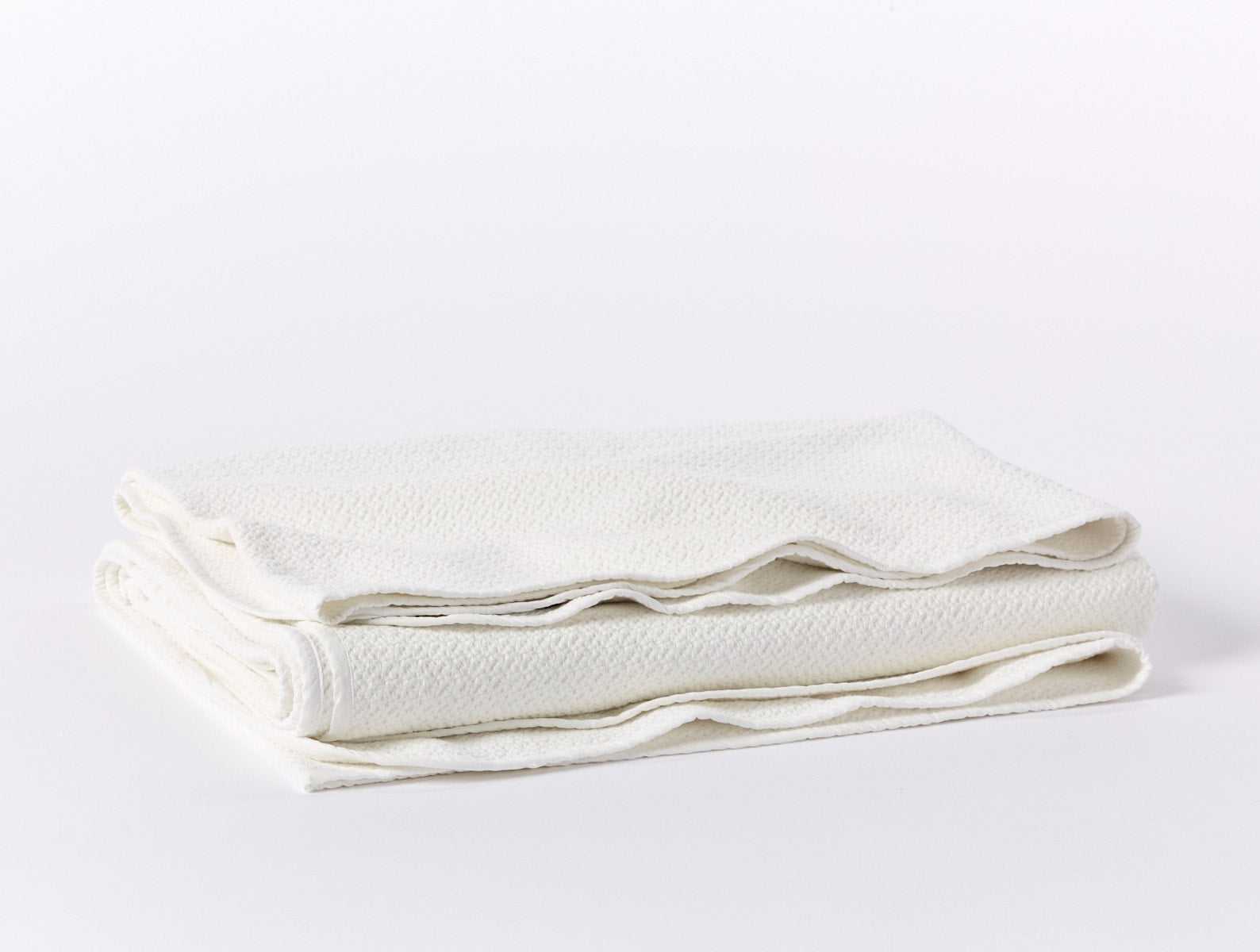
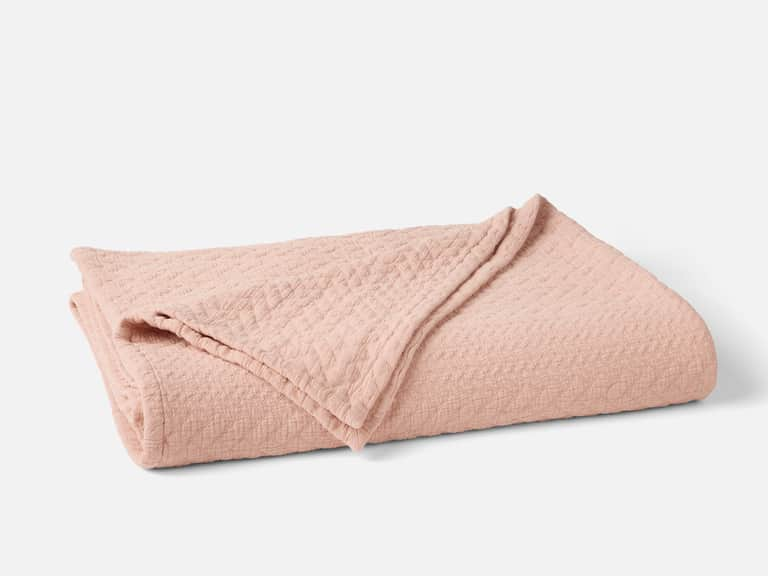
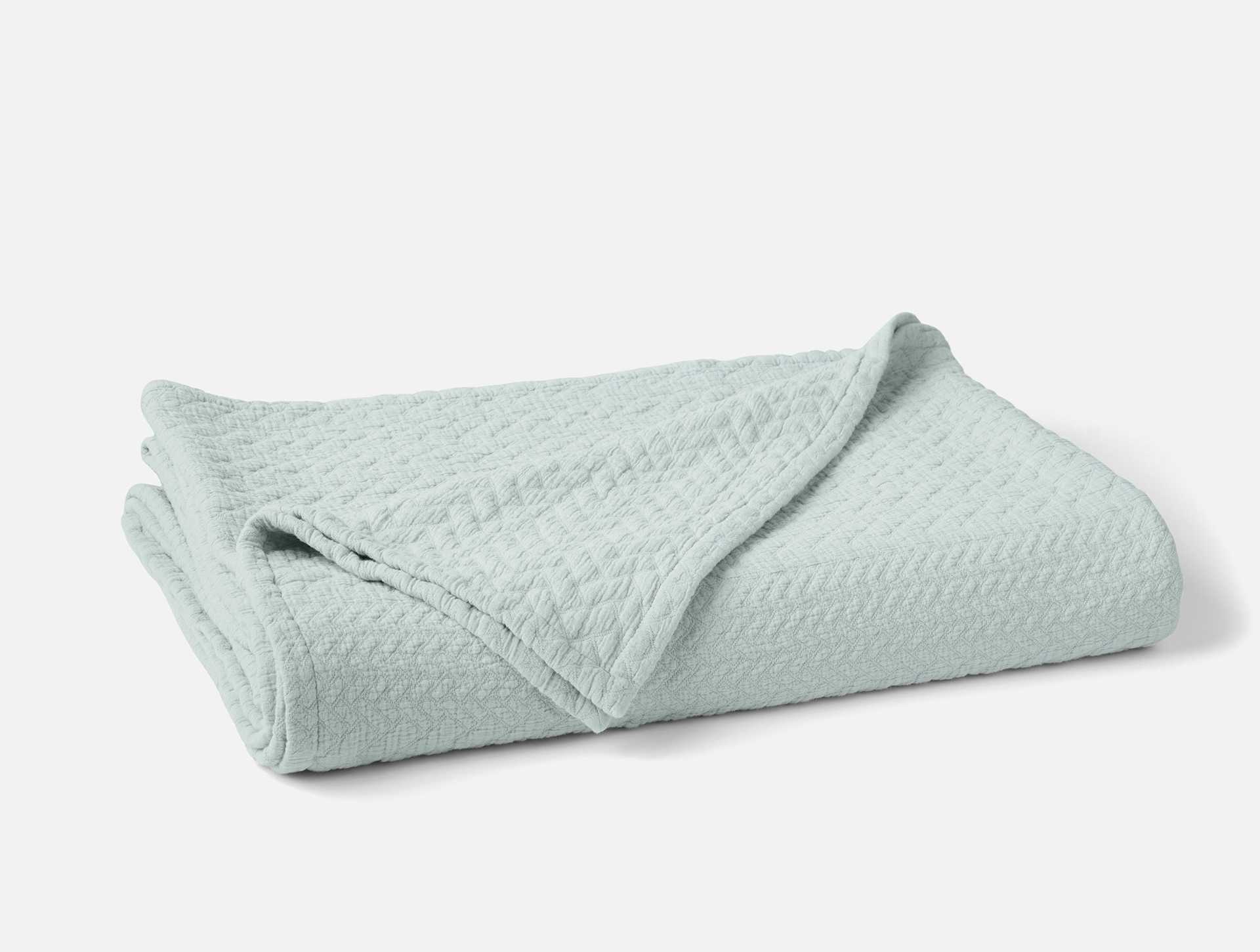
While the focus here is towels, textiles like the Honeycomb Organic Blanket from Coyuchi illuminate how a product can embody similar values—organic cotton, textured weave, pre-shrunk stability, and Fair Trade certification. Though a blanket, its material integrity mirrors the same care we seek in beach towels: durability, softness, and responsible sourcing. The honeycomb weave creates a breathable texture that feels comforting and substantial, a principle easily translated into towel design: texture that enhances grip, absorbency, and air flow for quick-dry performance.
Honeycomb Organic Blanket
Coyuchi (Brand)
Material: 100% organic cotton, woven in India; textured jacquard with color-matched trim; pre-shrunk.
Ethos: GOTS and Fair Trade certifications; machine washable for practical care.
This parallel emphasizes how a textile’s underlying philosophy—organic farming, ethical production, durable construction—translates across product categories. Towels that carry comparable commitments serve as a bridge between everyday practicality and larger ideals of sustainability and human-centered design.