The Beach Blanket: Essentials and Elevation
The beach is not merely a destination; it is a mood, a kiss of salt air on sun-warmed skin, and a portable sanctuary that travels with you from the parking lot to the tide line. The right beach blanket is not just a layer between you and the ground; it is a curated space that gathers your sun-hungry cravings into one elegant, sand-repelling rectangle. In the world of beach culture and coastal leisure, blankets are the literal and figurative foundation—providing comfort, texture, and a sense of ritual that makes a day by the ocean feel intentional rather than incidental.
When selecting a beach blanket, the priorities are simple, yet luxurious: comfort, practicality, and a touch of style that carries beyond the shore. The modern beach blanket exists at the intersection of performance and aesthetics. It must resist clingy sand, dry quickly after a dip, and fold down into a compact form that fits inside a tote or backpack without apology. Yet beneath those practicalities lies a design language—woven patterns, natural textures, and color stories that feel elevated, almost couture in their restraint.
Think of the blanket as a wearable accessory for your afternoon in the sun. It should complement your swimsuit, sunscreen, and a sun-kissed glow with a sense of refinement. The best options offer multi-layer functionality—a sand-shedding surface on top, a slightly heavier weight to prevent wind from erasing your perfectly placed belongings, and a backing that keeps moisture at bay when a rogue spray of sea mist appears. In this way, a beach blanket becomes less of a utilitarian fabric and more of a lifestyle statement—one that whispers, “I planned this moment to feel effortless and glamorous.”
This article draws on the themes of materials, care, size, and the way a blanket can shape a day at the beach. It also nods to the broader identity of beachblankets.org—a domain that signals coastal leisure, outdoor comfort, and a modern editorial sensibility about how we inhabit our favorite outdoor spaces. In the pages that follow, we explore how to balance portability with practicality, aesthetics with durability, and tradition with innovation.
Materials and Weaves: Sand-Free, Quick-Dry Wonders
The practical magic of a beach blanket lies in material science masquerading as comfort. Tightly woven fabrics and blends that dry quickly resist sand cling and endure the day’s rhythm—from the first footprint in the surf to the last sip of a cool drink as the sun begins to tilt. A true couture-level blanket makes a statement even when it’s damp or wind-buffeted by a sea breeze.
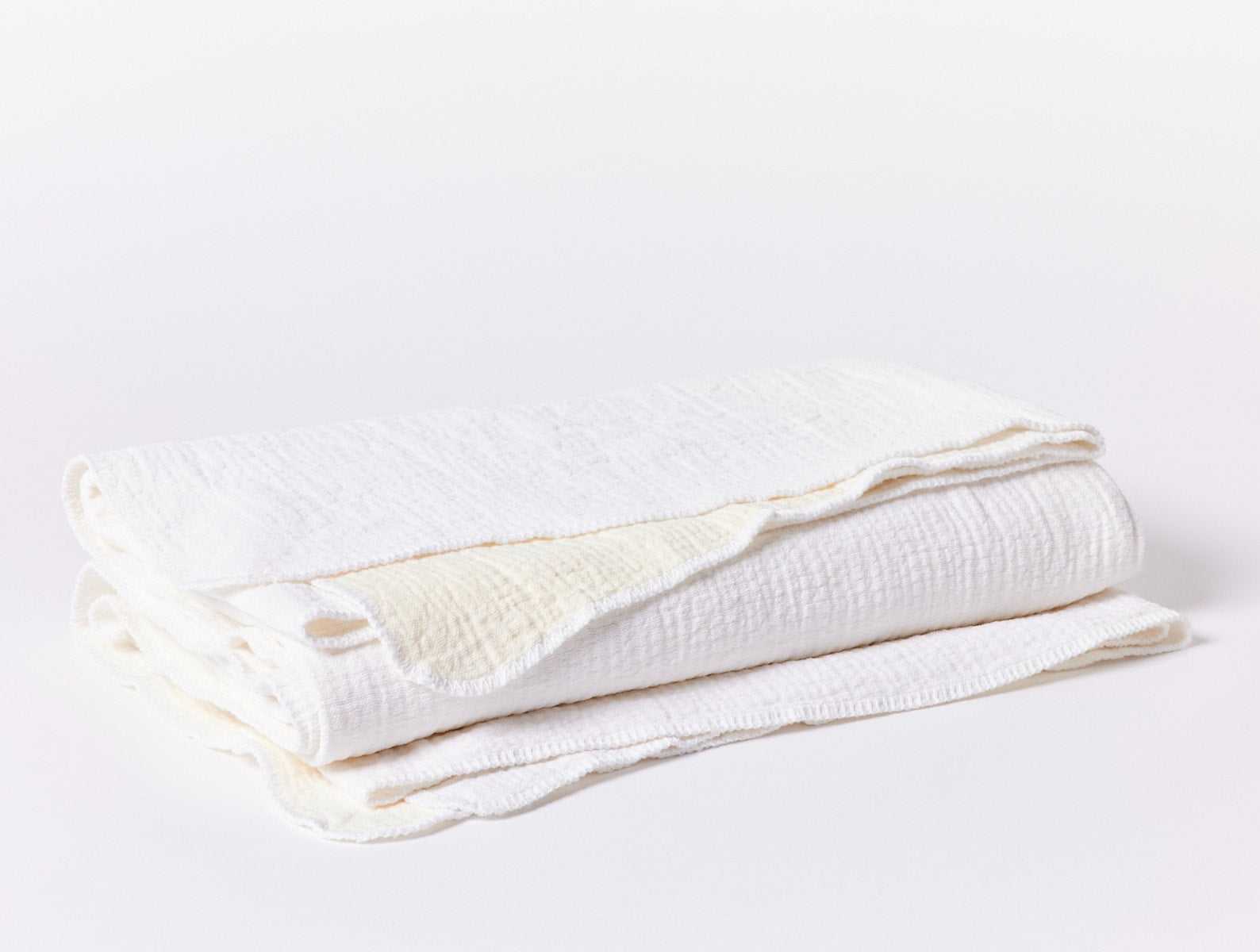
A classic pick among beach enthusiasts is a cozy cotton blend with a plush texture, such as the Cozy Cotton Organic Blanket. Made from 100% organic cotton chenille, this blanket offers a plush warmth that feels luxurious against the skin. Washed to achieve a gentle puckered texture, it reverses to soft white for styling versatility, and it finishes with a color-matched blanket stitch around the edges for a refined silhouette. The cotton’s breathability keeps you comfortable as the day progresses, while the reversible design allows you to shift moods without changing textiles.
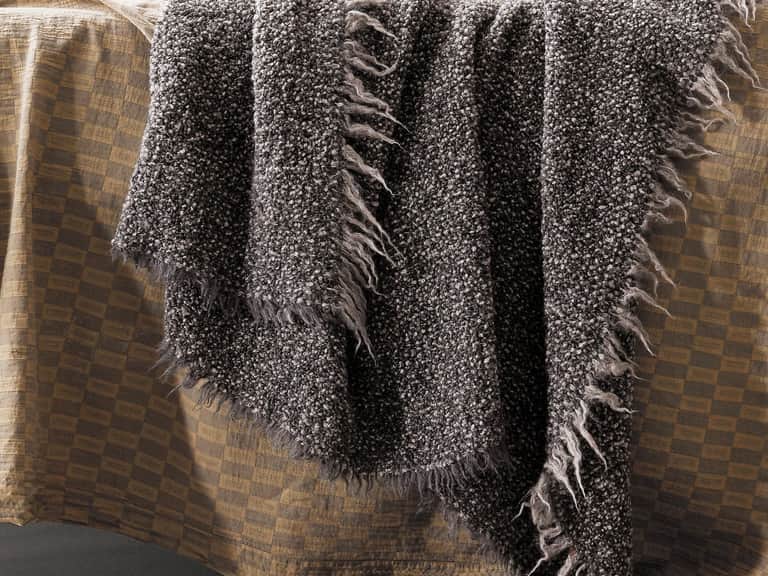
For those who crave a more tactile, textural statement, consider alpaca bouclé blankets. The Society Limonta Multi Throw Blanket exemplifies this mood—an alpaca bouclé weave that feels wool-like in texture, yet remarkably light at roughly 245 g/m². Its soft fringe and range of colorways make it a versatile accent that can be layered on a towel or draped over a chair. Alpaca fibers are warm without being heavy, and their natural insulation is a touch of luxury that translates so well in beach settings where a breeze can claim a moment of chill.
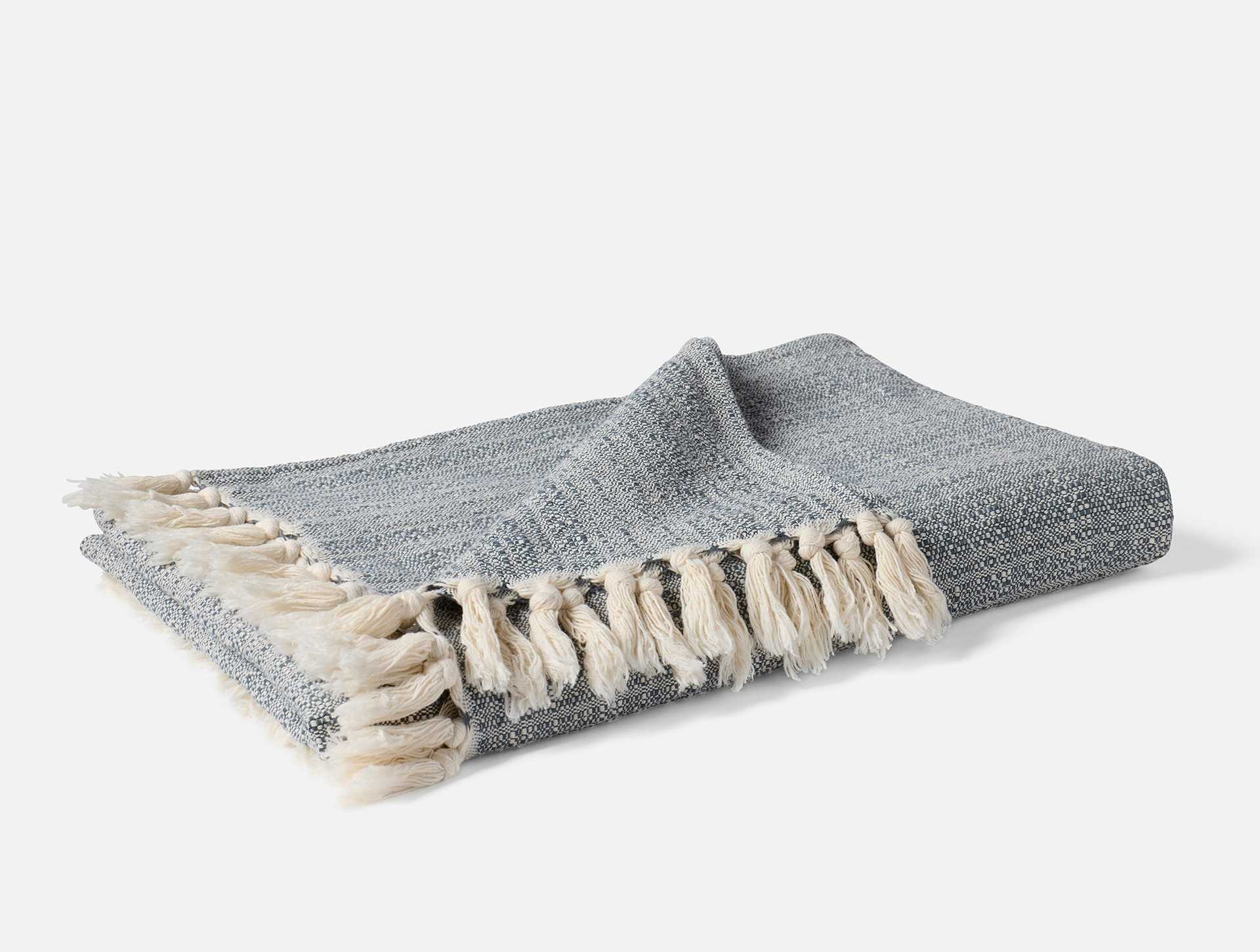
If you prefer next-to-skin comfort and sustainability in one breath, organic cotton options extend the same refined sensibility into a more understated palette. The Lido Organic Throw, for instance, speaks to a coastal-luxury aesthetic with a richly textured weave and a simple, timeless silhouette. It is crafted from 100% GOTS-certified organic cotton and finished with 2" knotted fringe tassels and a clean turned hem—perfection for layering on a lounge chair after a dip, or rolling up as you stroll along a shoreline path.
The interplay of weave, weight, and surface texture matters. A honeycomb jacquard or matelassé weave, like some of Coyuchi’s offerings, creates a tactile surface that invites you to linger. Textured surfaces can feel more forgiving to sandy hands, helping dust off the grains as you rise. Meanwhile, rounded edges or subtle trim add a sense of polish that makes beach rituals feel anchored in style rather than ephemeral beach-town chic.
In this vein, the best beach blankets are not single-material miracles alone; they are careful hybrids engineered for outdoor living. A top-tier option often includes a light, quick-dry backer that resists moisture and a soft, comfortable top surface that invites lounging. The result is a blanket that not only looks exquisite on the sand but also behaves brilliantly in the wind, sun, and spray that are part of island and coastal life.
Size Matters: From Solo Soaks to Family Picnics
When it comes to size, thinking in terms of scenarios helps. A compact, lightweight option shines for solo beach days or quick trips to a seaside park. It slips into a tote with athletic ease, leaving you space for a towel, sunscreen, and a magazine. On the other end of the spectrum, a larger blanket with a water-resistant or backing layer becomes a family-friendly fortress of shade and comfort. It can accommodate a couple of chairs, a cooler, and a little corner of shade from the wind—an entire edible experience unfurled on its surface.
If you are a family or you host friends for a summer outing, a larger size with a robust backing helps you keep everything tidy and contained. A water-resistant backing protects against damp sand and dewy mornings, while a surface that dries quickly ensures you don’t carry a damp chore into the car after each outing. For solo explorers or couples, a medium size with a forgiving weave offers enough surface to stretch out and add personal touches—throwing a sarong, a hat, or a lightweight cardigan into the same plane of the blanket without feeling cramped.
The market offers variations in dimensions, but the principle remains: match size to your typical day’s cast. The best beach blanket strategies are anticipatory—choose a blanket that grows with your routine. If you anticipate weekend escapes and longer beach days, invest in a larger piece with ample seating and spread space. If your rhythm is more casual and portable, a compact option with a quick-dry backer offers elegant minimalism without compromise.
Care, Longevity, and the Art of Maintenance
A beach blanket’s beauty deepens with thoughtful care. Sand, saltwater spray, sunscreen, and beach winds are not antagonists but factors in a daily ritual—one that rewards careful maintenance with a longer life and a more polished presence on the sand. The care path is not complicated; it is about routine, simplicity, and smart storage. Shake off loose sand, then spot-clean stains as needed to avoid heavy washing after every trip. Air-drying is essential, ideally in a shaded, breezy space that invites natural air movement without the scorch of direct sun. When you return home, store the blanket in a dry bag or pouch to protect it from humidity and pests.
For machine-washable textiles, a gentle cycle with cold water and a mild detergent keeps fibers resilient. Avoid bleach, which can degrade natural fibers, and air-dry or tumble-dry on a low setting, removing promptly to prevent stiffness. Some textiles, especially those with delicate fringe or woven edges, benefit from being washed in a protective garment bag. Consider how the fabric’s origin—organic cotton, linen, or cashmere blends—responds to heat and agitation; the gentler way is often the more luxurious way, preserving the blanket’s softness and structural integrity year after year.
A well-cared-for beach blanket also ages gracefully in color and texture. Natural fibers often acquire a soft patina through repeated sun exposure—a signature that fashionistas call “seasoned,” a term that signals a blanket’s memory and character. Think of the blanket as a living accessory: it tells the story of your days on the shore, the friends who lounged beside you, the sunset that completed the scene. With proper care, it remains a cherished companion across many summers.
A Vogue Take on Beach Rituals: Style, Attitude, and Time-Honored Voices
Couture is not just what you wear; it’s what you choose to bring with you into a space. Your beach blanket is a signature—a canvas for color, texture, and texture in motion: a soft ripple of fabric that shifts with the breeze as you lean back and let the day unfold. In the pages of a Vogue-inspired seaside mood, the blanket is the constant that anchors glamour to everyday life.
To deepen the narrative, let’s invite voices from different epochs—the echoes of history that remind us how people have approached leisure, gathering, and the art of being in the moment on a shoreline:
-
Cleopatra (Ancient Egypt, 1st century BCE): envisioned as a sovereign of ritual and spectacle, Cleopatra would likely select textiles that speak of luxury and breathability—linen and lighter cottons that kiss the skin in a desert-hued sun. On a Caesarean breeze, she would fashion a beach-side gathering that feels like a quiet affair with amber-toned textiles, where every fold of the fabric is a gesture of command and grace.
-
Leonardo da Vinci (Renaissance, 1452–1519): the mind that saw harmony in proportion would appreciate a beach blanket that embodies balance—tight weaves, soft textures, and a design that reads as art in motion. He would celebrate a blanket that doubles as a canvas for sketching the day’s light or a portable seat where study or poetry might be paused to listen to the sea.
-
Amelia Earhart (Early to mid-20th century): the aviator who turned the coastline into a runway of possibility would choose blankets that align with travel, practicality, and independence. A compact, quick-dry surface with a chic yet sturdy backer would be her pick for crossing oceans of sand and wind with equal ease—an embodiment of modern wanderlust.
These imagined voices amplify a central truth: a beach blanket is more than a fabric. It is a vessel for mood, memory, and movement—an accessory that anchors a day’s leisure in a culture that values beauty, practicality, and a dash of drama. In a world that prizes both utility and style, the blanket becomes a small, personal theater where the sun performs, the waves applaud, and your own presence claims a seat in the drama of a perfect beach day.
For a flagship choice that marries texture, comfort, and sustainability, consider the Cozy Cotton Organic Blanket. Its 100% organic cotton chenille surface offers plush warmth and a soft, tactile experience that reads luxurious in the sun and remains comfortable as shade spreads across the day. The weave’s puckered texture adds depth, while its reversible design allows you to switch between a warm alpine-white and a crisp, clean surface—an effortless way to coordinate with your beachside palette.
Details to know:
- Material: 100% Organic Cotton (Chenille)
- Finish: Washed for subtle puckering; color-reversed option to soft white
- Edges: Color-matched blanket stitch, refined and durable
- Origin: Grown in Turkey, woven in Germany
- Weave feel: Plush and breathable, ideal for warm days and cooler evenings
- Price: $348.00
This is not merely a blanket but a tactile luxury that adapts to your beach ritual. It serves as a base on the sand, a soft seat for a sunlit picnic, and a dramatic backdrop for sunset silhouettes. It lends a sense of elegance without sacrificing the practicality a modern beach day demands. If you’re building a coastal capsule wardrobe for your outdoor spaces, this piece acts as a cornerstone—an anchor of softness, warmth, and refined texture.
The BeachBlankets.org Identity: A Coastal Narrative
BeachBlankets.org speaks in a voice that is both glossy and grounded—a Vogue-inspired editorial sensibility that celebrates coastal leisure while providing practical guidance for everyday life. The domain signals a curated space for beach culture, outdoor recreation, and lifestyle storytelling that honors tradition while embracing modern design ethics. The content philosophy centers on versatility, durability, and a sense of glamour that never feels out of reach.
Within this editorial, we explore directions such as the Beach Recreation Guide—an expansive resource for best beaches, safety tips, and use cases for blankets across family outings, picnics, and solo adventures. There is room for infographics and thoughtful product roundups that help readers determine what to bring on the sand for comfort and practicality. The other directions—Outdoor Lifestyle and DIY Crafting—also offer rich field notes and community-driven content, but the Beach Recreation Guide remains the recommended core for this identity, balancing broad appeal with specific, actionable guidance.
The tone remains informative, friendly, and adventurous—a subtle, aspirational vibe that invites readers to live more deliberately in outdoor spaces. This is not about chasing trends; it is about curating a set of experiences at the beach that feel considered, luxurious, and deeply personal.