Choosing the Perfect Beach Blanket: Materials, Comfort, and Quick Tips
A seaside ritual refined: the ideal beach blanket is more than a surface to rest upon. It is a stage for sunlit languor, a shield against wind and grit, and a stylish companion for the entire day by the water. This guide threads together fabric poetry, practical know-how, and a touch of fashion sensibility to help you pick a beach blanket that feels like a vacation itself.
Materials that Travel Well: From Sand-Soothing Surfaces to Quick-Dry Comfort
When you step onto sun-warmed sand or glisten by the tide’s edge, your blanket becomes a microworld of texture, weight, and color. The modern beach blanket is engineered to resist grainy cling, dry quickly after a swim, and fold into a chic, compact bundle that won’t burden your tote. The Vogue approach to beach fabrics leans into clarity of choice: fabrics that feel indulgent against the skin, yet behave with the ease of a well-cut resort ensemble.
Here are the material families that deserve a front-row seat in your blanket edit, along with how they behave in a beach-day routine.
-
Cotton and cotton blends: Soft, breathable, and naturally sun-kissed in appearance, cotton-based blankets balance comfort with practicality. Blends that mix cotton with synthetic fibers or recycled materials can boost quick-dry performance and sand-shedding capabilities. For families, a cotton blend can be forgiving and easy to wash, making it ideal for picnics, games, and post-swim snuggles.
-
Microfiber and performance synthetics: Lightweight, highly packable, and designed to shed sand with ease, microfiber blankets glide across the surface with minimal resistance. They dry rapidly after a splash, and their compact nature makes them a favorite for travelers who need to compress their kit without sacrificing style.
-
Recycled fabrics and sustainable blends: A thoughtful nod to the planet, these textiles merge eco-conscious fibers with the same tactile luxury you expect from a premium blanket. Expect fabrics that dry swiftly and resist staining while contributing to a reduced environmental footprint.
-
Natural fibers with performance treatment: Linen, wool blends, and bamboo-inflected yarns can offer a refined texture and lasting coolness. Some blankets feature water-repellent backings, reinforced corners, or crisper weaves that keep the surface pristine even after a long beach day.
-
Texture and gratitude for touch: Beyond function, texture communicates mood. A flat, smooth surface reads sleek and modern, while a textured weave or bouclé adds depth and a sense of luxury. The blanket you choose should invite touch and inspire lingering moments of sun-warmed reverie.
Care is, in its own way, couture. The best beach blankets are thoughtfully easy to care for—machine washable where possible, quick to dry, and capable of withstanding the inevitable sand-swept rinse at the end of the day. A little routine after a day by the sea—shake out the sand, rinse if needed, air-dry fully—extends the life of your blanket and keeps it looking chic for seasons to come.
Sand-shedding surface: A smooth weave or a tightly wound texture reduces the amount of sand that clings, making cleaning easier and your blanket more comfortable to sit on.
Weight and packability: A blanket that feels substantial yet folds into a compact bundle is a dream for travelers who must carry a few essentials. Look for mid-weight fabrics that strike a balance between plushness and portability.
Surface resilience: Materials that resist pilling and retain color after sun exposure are essential for sustaining the blanket’s aesthetic across many beach days.
Color and styling: Neutral palettes feel timeless on the beach, while soft pastels and saturated tones offer more personal style statements. Choose colors that echo your coastal living aesthetic.
Practical Setup: Quick-Tips for a Seamless Beach Day
A beach blanket should disappear into your day, not steal the spotlight from it. Consider it a stagehand for your afternoon of sun and sea—quiet, efficient, and always ready to elevate the moment when you drape it over your chaise, lay it under a picnic, or spread it for a family game of catch.
- Anchor corners with small weights or sand-filled sachets. This keeps the blanket flat on a breezy day and prevents it from sliding toward the water while you chase a frisbee or build a sandcastle.
- Layer for comfort. A lightweight base layer provides cushioning on hot sand; add a thicker, plush top layer if you expect cool sea breezes or after-swim chills.
- Keep a compact cleaning kit on hand. A tiny microfiber cloth or damp wipes helps with spills or sunscreen marks, and a quick rinse can refresh the surface if the blanket captures some salt spray.
- Fold and store with the care you reserve for a couture accessory. A simple roll or tri-fold keeps it compact, ready to slip back into your tote or beach bag.
In the end, the perfect beach blanket is less about perfection and more about the ease with which it supports your most radiant moments by the water. It should feel like a soft second skin—an invitation to linger, to nap, to laugh, to share stories as the sun drifts toward the horizon.
Beach Blanket Edit: A Small, Luxurious Wardrobe for Sand and Surf
To translate the idea of a beach blanket into a wearable, stylish daily ritual, I present a curated edit that pairs texture, color, and performance. Think of it as a mini capsule of textiles—easy to mix and match with your beach tote, your sunscreen ritual, and your sunset plans.
Classic Luxe: Cozy Cotton Organic Blanket
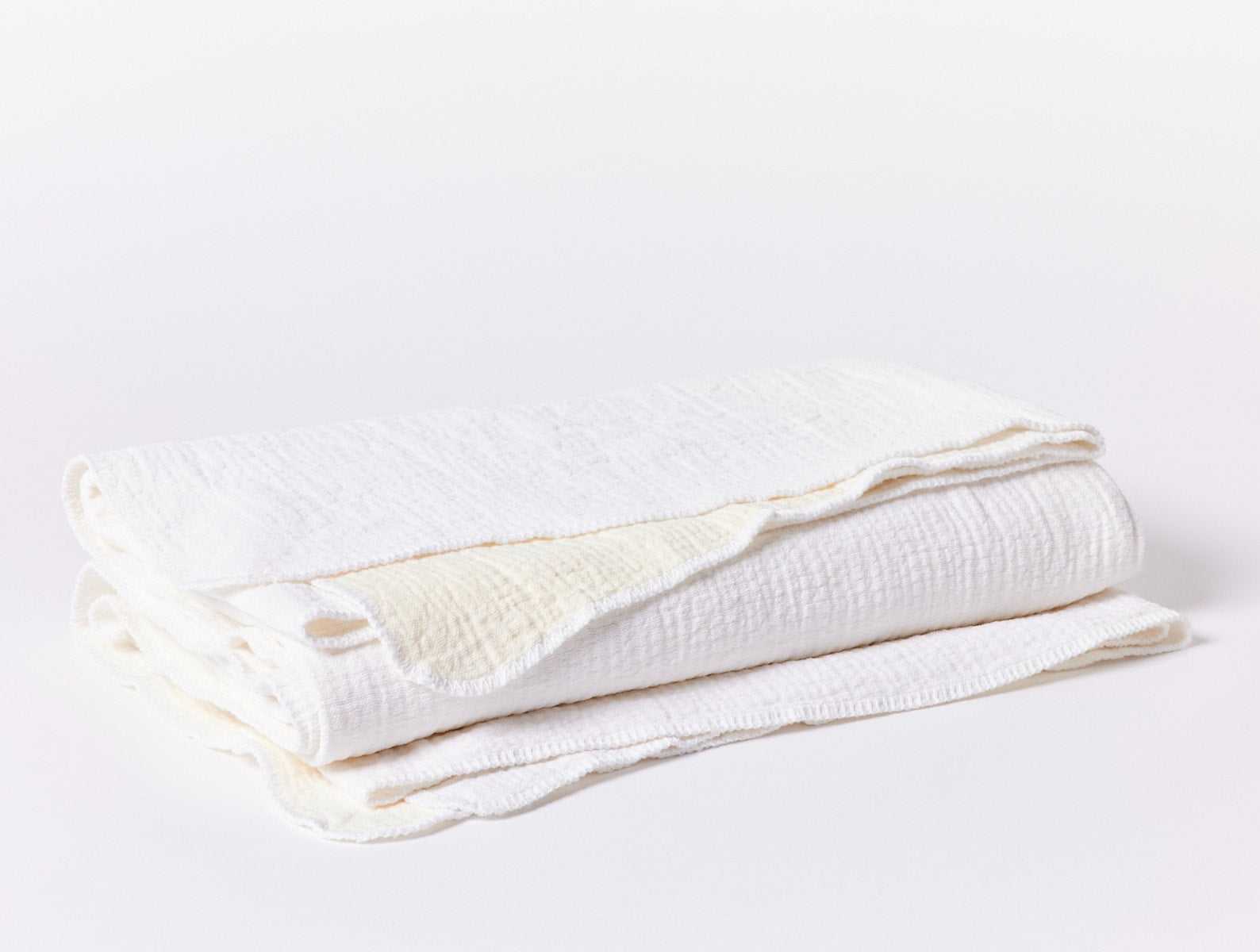
The Cozy Cotton Organic Blanket is a study in tactile luxury. Crafted from 100% organic cotton chenille, it reads plush and tactile, with a gentle puckered texture born from its washing. It reverses to a soft white for styling flexibility and finishes with a color-matched blanket stitch along the edges, a couture detail that elevates even the simplest beach setup.
- Material: 100% organic cotton, Turkey grown and German woven
- Texture: Plush chenille with a subtly puckered finish
- Reversibility: Reverses to soft white for two styling looks
- Care: Machine washable, designed to hold its shape
Pricing: $348.00
Effortless Chic: Lido Organic Throw
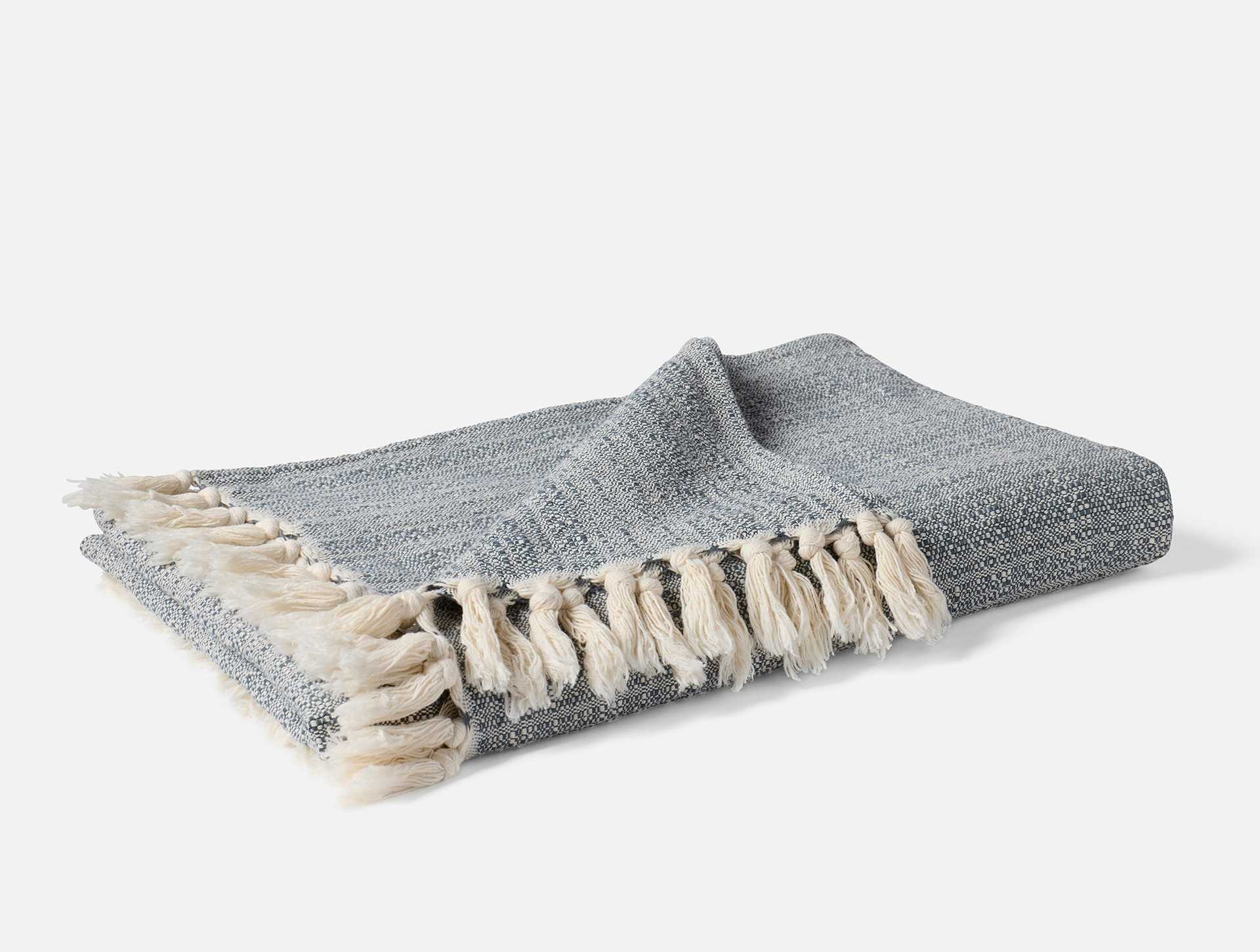
The Lido Organic Throw blends a richly textured weave with the clean, breathable nature of organic cotton. It features 2" knotted fringe tassels at the ends and a relaxed shape that drapes elegantly over a sunbed or a beach chair. Perfect for layering or serving as a statement piece, this throw embodies casual luxury for a modern beach day.
- Material: 100% GOTS-certified organic cotton
- Texture: Richly textured weave
- Finish: 2" knotted fringe tassels, turned hem
- Care: Machine wash delicate, air dry
Pricing: $128.00
Three Iconic Voices: Time-Traveling Inspirations for Your Beach Style
In fashion and lifestyle journalism, style is a conversation across eras. Here are three key individuals from distinct moments in history who illuminate the mood of contemporary beach lounging. Their spirit informs how we choose color, texture, and silhouette when curating our own seaside rituals.
Coco Chanel (1883–1971)
The 1920s and onward gifted the world a philosophy of pared-back luxury. Chanel’s approach to resort wear—clean lines, neutral palettes, and fabrics that skim rather than cling—translates beautifully to beach blankets that refuse to shout, yet still whisper of refinement. For your blanket selection, channel Chanel with crisp natural fibers in understated tones, a texture that feels quiet yet confident, and edges finished with immaculate, precise detailing.
How to borrow Chanel’s mood at the beach: lean silhouettes in timeless colors, disciplined texture, and a sense that luxury lies in restraint rather than excess.
Audrey Hepburn (1929–1993)
A goddess of quiet glamour, Hepburn taught the world how to glide through sunshine with elegance. Her light, pale palettes and effortless chic inspire beach blankets that glow with simple sophistication. Think cottons and linens in ivory, dune, and pale blues; textures that are soft to the touch, with minimal fuss and maximum impact.
How to borrow Hepburn’s mood at the beach: celebrate clean lines, a gentle color story, and a sense of serenity that makes even a casual lounge look instantly polished.
Rihanna (Born 1988)
A contemporary icon of fearless style, Rihanna embodies vibrant energy, bold colorways, and a fearless approach to texture. For the beach, channel her spirit by mixing saturated hues with a refined, breathable weave—an invitation to make the blanket a focal point of your day rather than a mere backdrop.
How to borrow Rihanna’s mood at the beach: embrace color-blocked layers, playful fringe, and textiles that move with the breeze, turning a beach blanket into a statement accessory.
The Shopping Guide: How to Choose Your Beach Blanket Like a Vogue Editor
Shopping for a beach blanket is an exercise in vision. You are selecting not just a surface, but a companion for your sunlit rituals. Begin with a mood board in your mind: what does your coast-inspired space need? A minimalist, sun-washed aesthetic? A lively, color-rich vignette? A blanket should speak to your personal narrative while performing with the grace expected of luxury textiles.
We return to the practical beats: materials, performance, and protection. If you want a blanket that feels indulgent beneath your fingertips, but also travels effortlessly with you, consider a mid-weight blanket with a refined weave and a reversible option. If your days by the water lean toward high-energy family use, a durable, quick-dry microfiber blend might be your hero. And if sustainability is your north star, prioritize fabrics with organic certifications and recycled content that still boast the soft glow you expect from premium textiles.
In terms of price-to-performance, let your lifestyle guide you. A blanket like the Cozy Cotton Organic Blanket (1702) offers a luxurious experience with a compelling story—the cotton’s origin and the way it’s woven lend a tactile luxury that feels refined and responsible. For a lighter touch with more portable polish, the Lido Organic Throw (1778) delivers texture and practicality in a compact format.
As you curate your beach blanket repertoire, remember that the best pieces become heirlooms of the shoreline—passed between seasons with smiles and sun-kissed memories. Your blanket is more than fabric; it is a narrative thread that winds through picnics, sunsets, and the quiet conversations that make summers unforgettable.
Product Spotlight: A Few Luxe Picks for Your Beach Wardrobe
The following selections are representative of a refined, beach-ready aesthetic. They balance comfort, durability, and the premium touch that elevates a seaside day into a special occasion.
Cozy Cotton Organic Blanket
A tactile experience in plush softness. This blanket is crafted from 100% organic cotton chenille and is washed to achieve a gently puckered texture. It reverses to a clean soft white for styling versatility and finishes with a color-matched blanket stitch on the edges.
- Origin: 100% Organic Cotton, Turkey grown; woven in Germany
- Texture: Plush chenille with a puckered finish
- Reversibility: Reverses to soft white
- Care: Machine washable for convenience
Price: $348.00
Lido Organic Throw
A richly textured weave in 100% organic cotton, finished with 2" knotted fringe tassels. This throw is designed for layering on a sofa or at the edge of a sunbed, creating an invitation to linger in the moment.
- Material: 100% GOTS-certified organic cotton
- Finish: 2" knotted fringe tassels, clean turned hem
- Care: Gentle machine wash; air dry to preserve texture
Price: $128.00
Final Thoughts: A Beach Blanket that Tells Your Story
In the luminous confluence of sun, sea, and style, your blanket is a subtle co-author of your memories. It is the quiet surface where a family lays the day’s treasures, the soft cocoon that keeps you warm as the sun dips, and the texture that photographs beautifully in the soft, golden hour. The right blanket—crafted from thoughtful textiles with a modern sensibility—elevates the everyday into something almost couture, even on a sandy afternoon.
From the timeless elegance inspired by Coco Chanel to the screen-tested glamour of Audrey Hepburn, and into the fearless color-charged world of Rihanna, beach blankets carry a language. The fabrics you choose, their textures, their weight, and the way they drape on a lounge chair—all of these details write a chapter in your personal seaside narrative. This season, let your blanket be the accessory that quietly declares your taste: refined, comfortable, and unapologetically you.
Explore the beach blanket world with curiosity, invest in fabrics that feel like real luxury against the skin, and always consider the practicalities of sand, sun, and sea. Your next beach day awaits—and with the right blanket, it becomes an event worth savoring, a chapter you’ll want to reread again and again.